Introduction: Your Eyes Reflect Your Overall Health
Your eyes do more than help you see. In fact, they can show early signs of health problems. Many people do not realize how your eyes tell more about your health than you think. Because the eyes are connected to many parts of your body, changes in your eyes can signal issues elsewhere. For example, doctors often spot signs of diabetes or high blood pressure during an eye exam. So, paying attention to your eyes can help protect your overall health.
Common Eye Signs That Indicate Health Issues
Sometimes, your eyes show warning signs before you feel sick. These signs may seem small, but they can point to bigger problems. For instance, sudden changes in vision or eye color should not be ignored. Here are some common eye health indicators to watch for:
Because these symptoms can be linked to many health issues, it is important to notice any changes early.
Systemic Diseases Detected Through Eye Exams
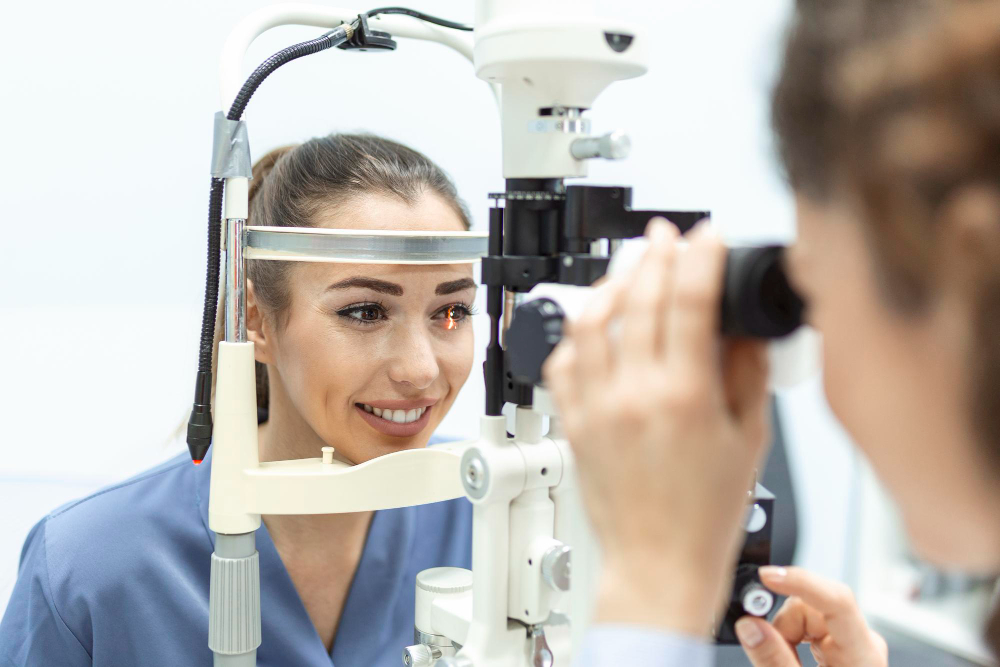
During a routine eye exam, doctors can spot signs of diseases that affect your whole body. For example, eye symptoms of systemic disease are often the first clue. Here are some conditions that can be detected through your eyes:
Because these diseases can be serious, regular eye exams are important for early detection. In the US, many doctors recommend yearly eye checks, especially for adults over 40.
When to See an Eye Doctor
It is wise to see an eye doctor if you notice any changes in your eyes. Even small changes can be important. For example, if you have sudden vision loss, eye pain, or flashes of light, seek help right away. Other times to see a doctor include:
Because early treatment can prevent serious problems, do not wait if you notice these signs. Regular check-ups can also catch problems before symptoms appear.
Prevention and Eye Health Tips
Taking care of your eyes helps protect your overall health. Here are some simple tips to keep your eyes healthy:
Because prevention is easier than treatment, these habits can help you avoid many eye problems. In addition, they support your overall well-being.
Conclusion: Listen to What Your Eyes Reveal
Your eyes can reveal a lot about your overall health. By paying attention to changes in your vision and scheduling regular eye check-ups, you can detect potential health problems early and protect your eyesight. If you notice any unusual symptoms—such as blurred vision, persistent redness, sudden floaters, or discomfort—don’t ignore them.
For personalised advice and expert care, consult an eye specialist at Swarup Eye Centre. Your vision and eye health deserve the best attention.