
Understanding Cataracts and Their Link to Aging
Cataracts and aging often go hand in hand. A cataract is a cloudy area in the lens of your eye. As you age, proteins in the lens can clump together. This makes your vision blurry or dim. According to the World Health Organization, cataracts are a leading cause of vision loss in older adults. In fact, most people over 60 will develop some degree of cataract. However, not everyone will need surgery right away.
Common Symptoms of Cataracts in Older Adults
It is important to know the signs of cataracts early. Early detection can help you get the right care. Here are some common symptoms:
Sometimes, these symptoms can appear slowly. So, regular eye exams are important as you age.
Main Causes and Risk Factors for Cataracts
While aging is the main cause, other factors can raise your risk. Knowing these can help you take steps to protect your eyes. The main causes and risk factors include:
Because many of these risks can be managed, healthy habits matter as you age.
How Cataracts Are Diagnosed
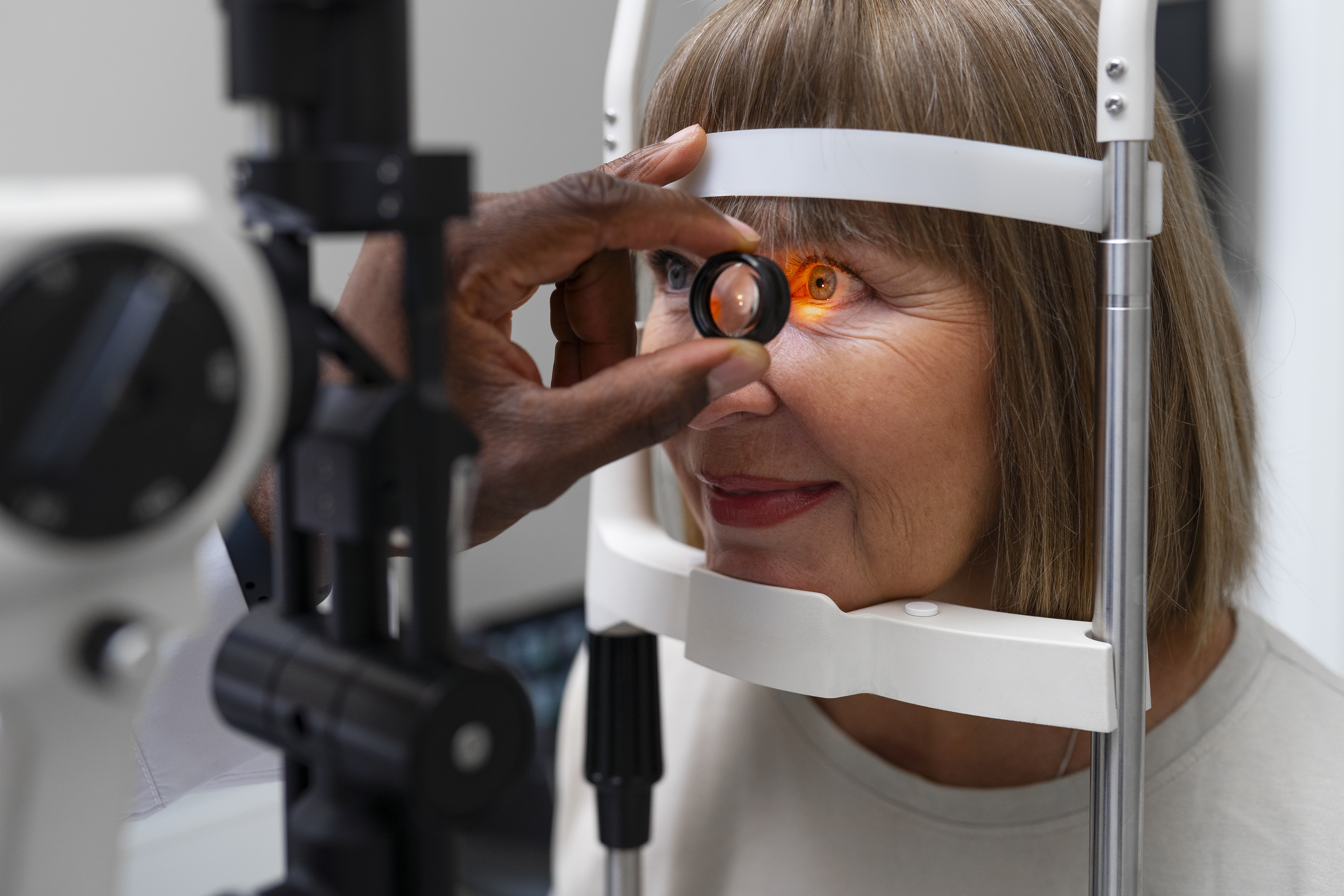
Early diagnosis helps prevent vision loss. Usually, an eye doctor will:
Sometimes, your doctor may use eye drops to widen your pupils. This helps them see the lens more clearly. Regular eye exams are key, especially after age 60.
Cataract Treatment Options
Not all cataracts need treatment right away. In mild cases, new glasses or brighter lighting can help. However, if cataracts affect your daily life, surgery is the main option. Cataract surgery is safe and common. During surgery, the cloudy lens is removed and replaced with a clear artificial lens. Most people see better within a few days. According to the CDC, cataract surgery has a high success rate.
Lifestyle Tips and Prevention Strategies
While you cannot stop aging, you can lower your risk of cataracts. Try these tips:
By following these steps, you can help protect your vision as you age.
Frequently Asked Questions About Cataracts and Aging
Can cataracts come back after surgery?
No, cataracts do not return. However, sometimes the lens capsule can become cloudy. This can be fixed with a simple laser treatment.
Are cataracts only found in older adults?
Most cataracts are age-related, but younger people can get them too. Injury, certain medicines, or health problems can cause early cataracts.
How long does cataract surgery take?
Cataract surgery usually takes less than 30 minutes. Most people go home the same day.
Is cataract surgery painful?
No, the procedure is not painful. Doctors use numbing drops to keep you comfortable.
Conclusion: Protect Your Vision as You Age
Cataracts and aging are closely linked. But with regular eye exams and healthy habits, you can protect your sight. If you notice changes in your vision, do not wait. Consult an eye specialist for personalized advice on cataracts and healthy aging.